About the connection range
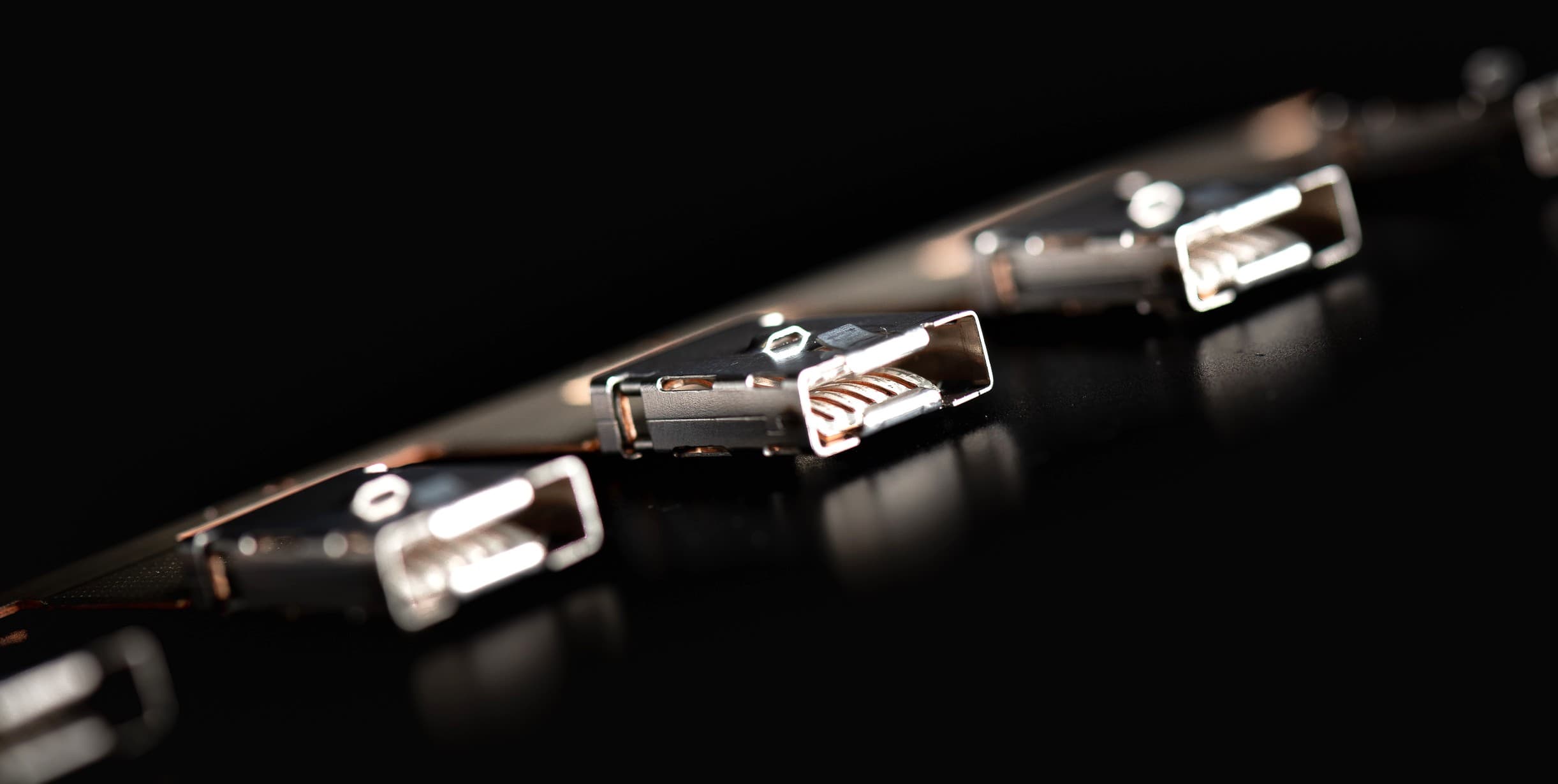
Lear’s 48V connection systems cover cooling fans, electric power steering, seat motors, sensors and high-current interfaces. Lear states that the range meets the electrical clearance and creepage distance requirements of IEC 60664-1 for 48V systems.
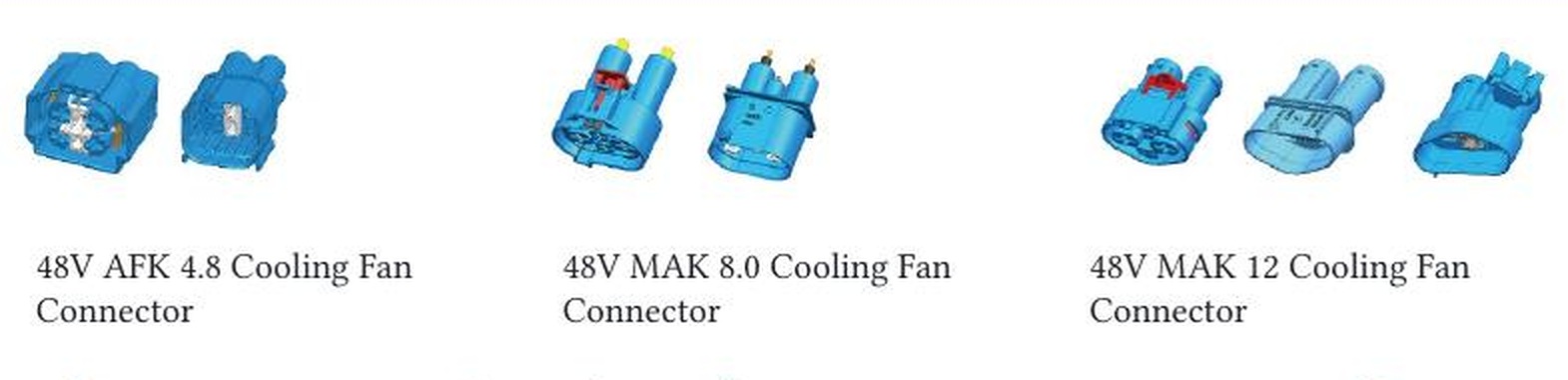
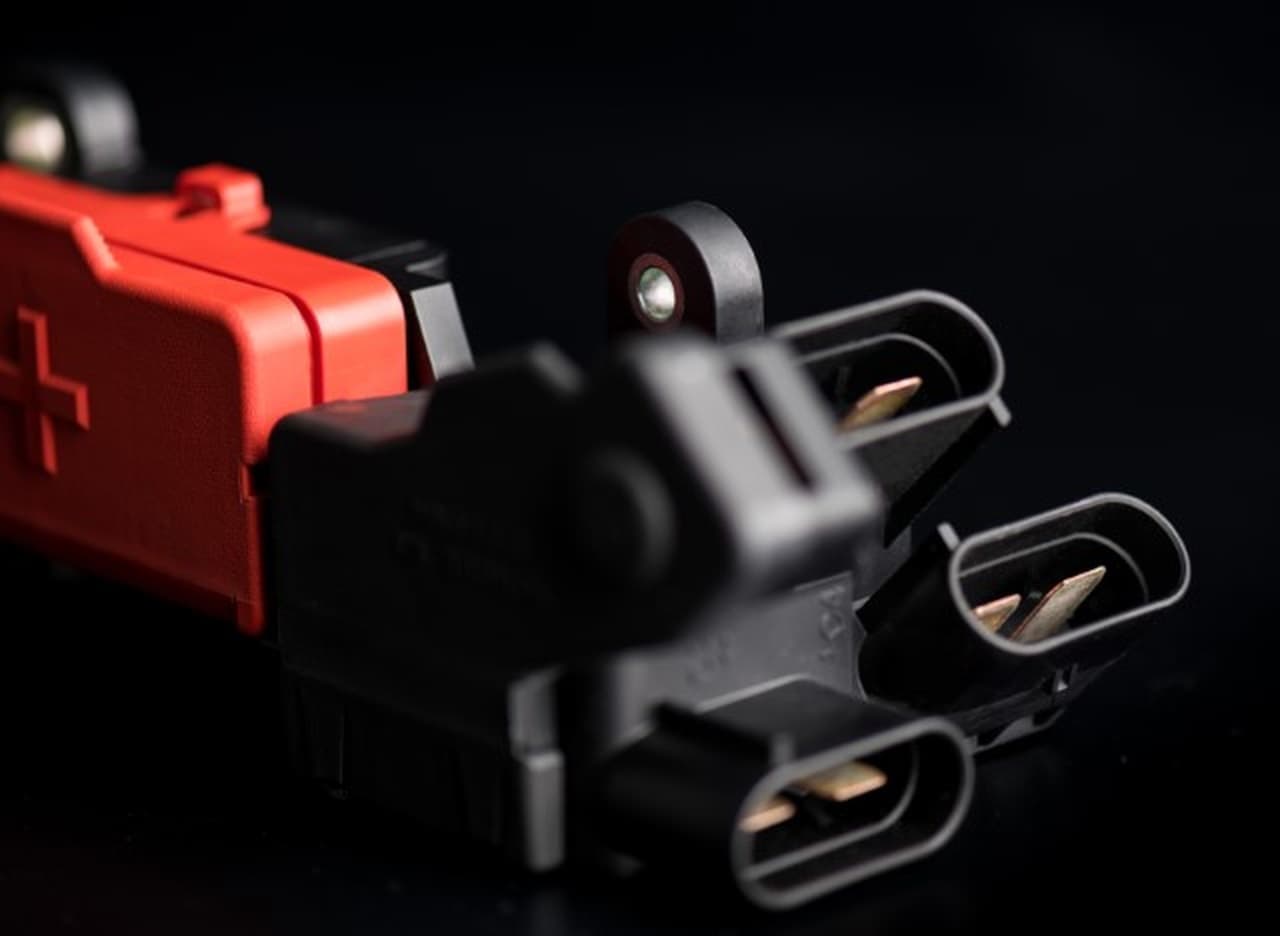
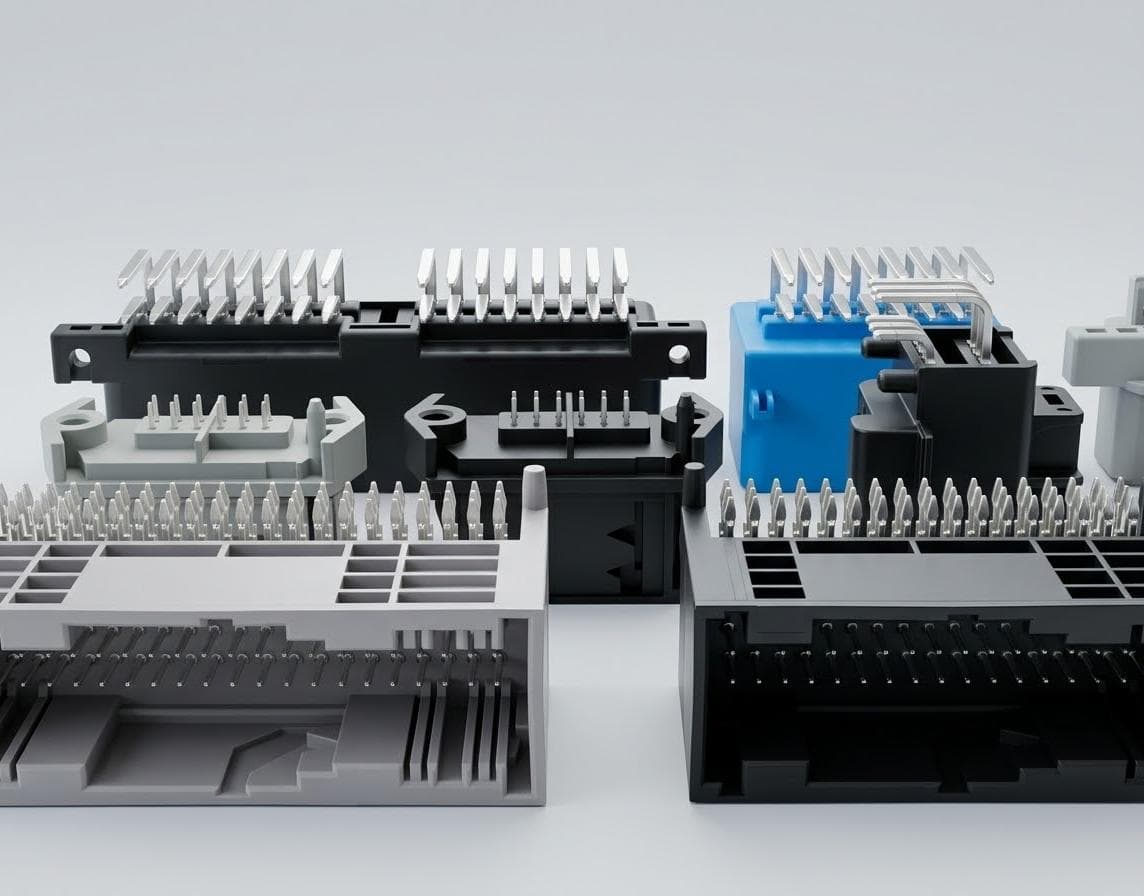
Left to right: 48V AFK 4.8 Cooling Fan Connector; 48V MAK 8.0 Cooling Fan Connector; 48V MAK 12 Cooling Fan Connector.
Connector families
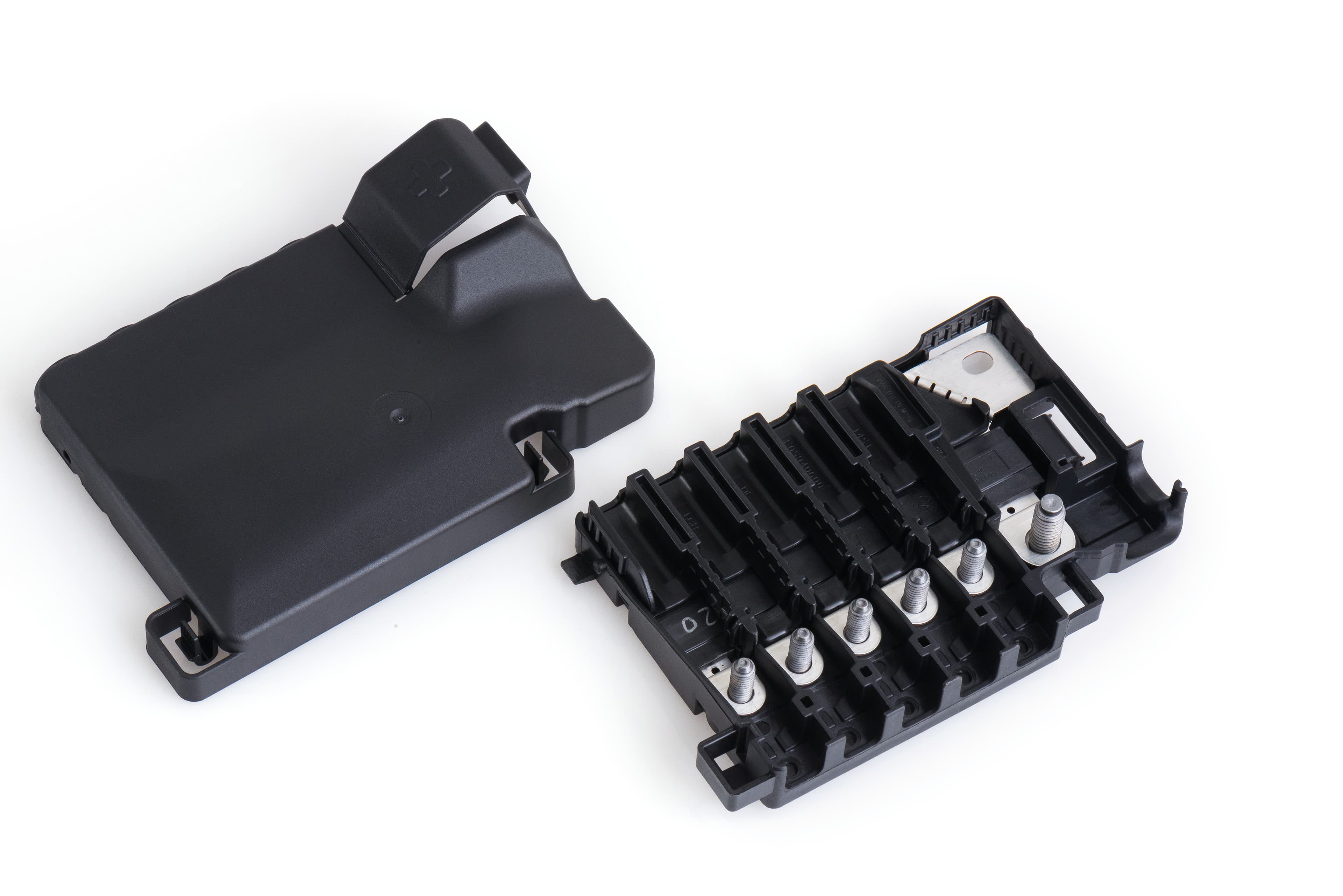
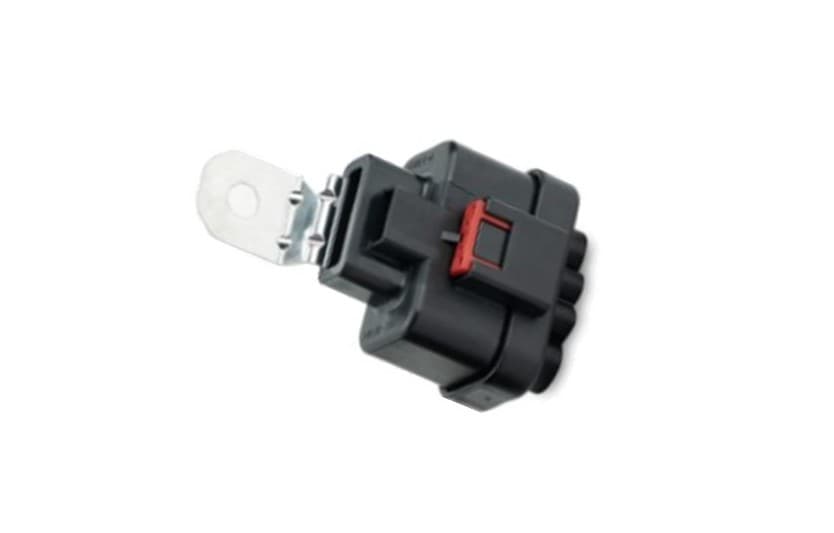
The portfolio includes AFK 4.8, MAK 8.0 and MAK 12 cooling fan connectors, an HC 14.5 connector, a MAK 1.2 sensor connector, an EPS connector and a seat motor connector. These options support applications including mild hybrids, active suspension, electric air conditioning compressors, start-stop systems and energy recovery.
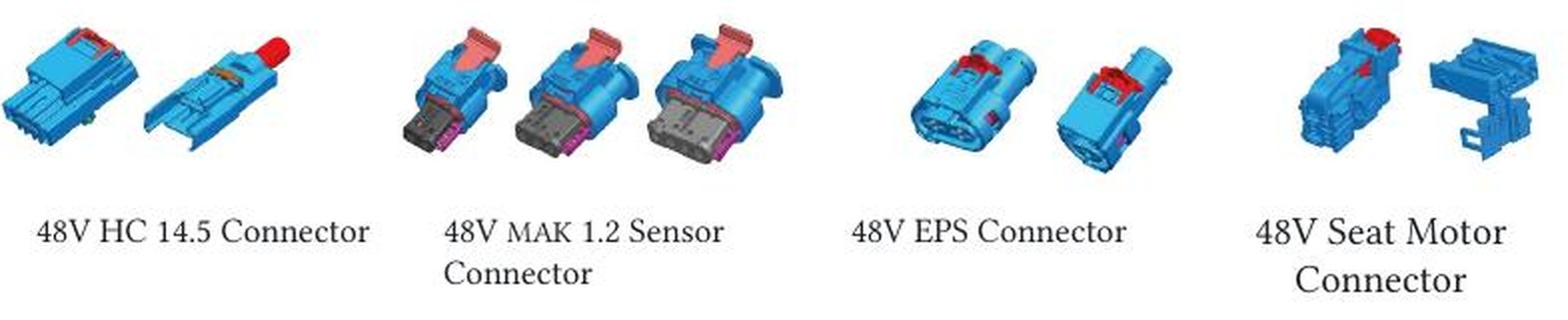
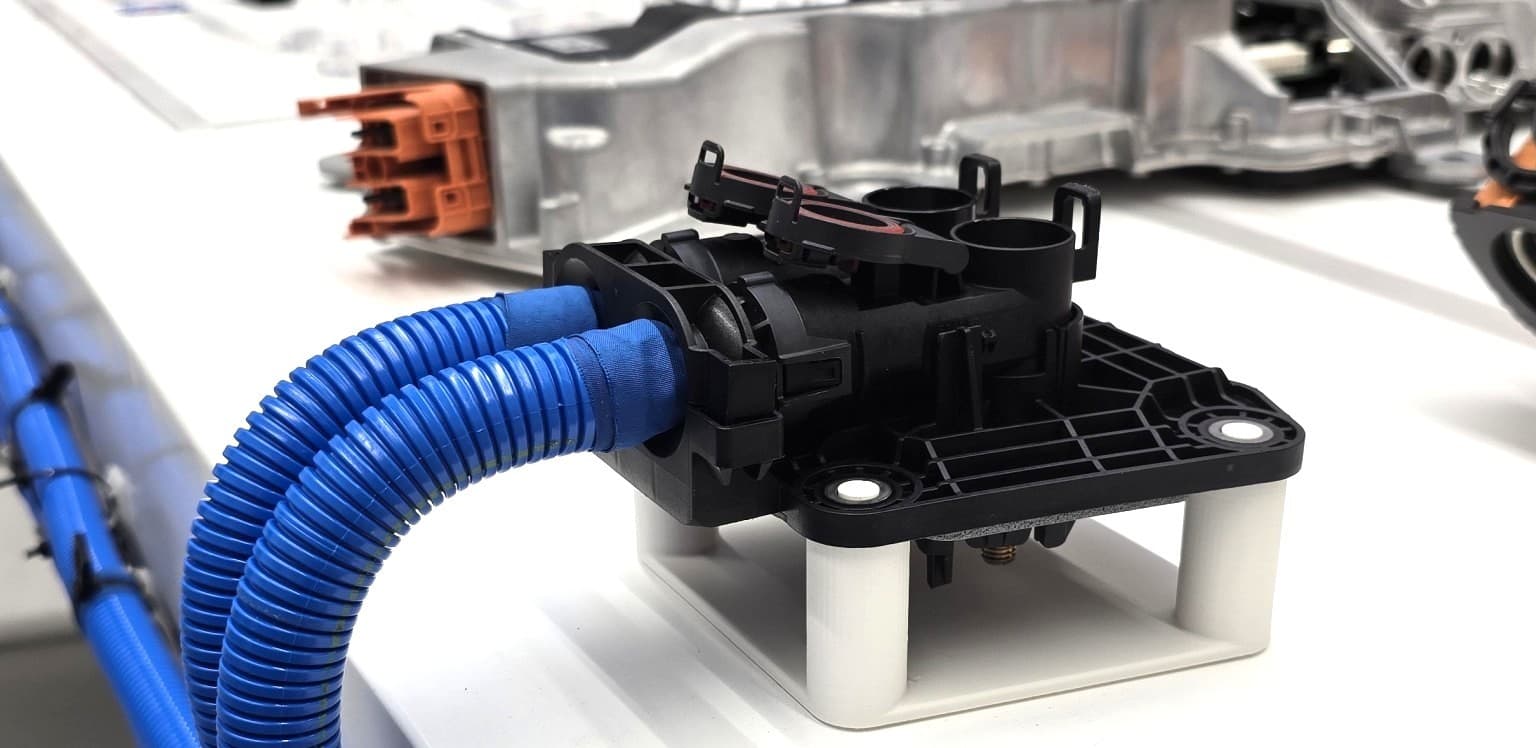
Left to right: 48V HC 14.5 Connector; 48V MAK 1.2 Sensor Connector; 48V EPS Connector; 48V Seat Motor Connector.
Scalable 48V connections - key technical features and benefits:
Lear’s 48V automotive connector portfolio combines ergonomic mating with robust terminal retention for demanding vehicle applications. The connector designs typically require an insertion force of no more than 75 N and provide a retention force of at least 110 N, helping prevent accidental disconnection. Selected versions can use high-CTI insulation materials to support electrical isolation requirements in 48V vehicle systems.
The standardized product range supports reuse across multiple vehicle platforms and can help shorten development and sourcing cycles. By matching connector size and current capability to each application, the portfolio enables optimized wiring harness architectures, reduced copper usage and lower overall vehicle weight.
- Typical connector insertion force of ≤75 N
- Terminal retention force of ≥110 N
- Robust retention to help prevent accidental disconnection
- Vibration performance according to USCAR-2 V2
- Optional high-CTI insulation materials
- Standardized 48V automotive connector portfolio
- Solutions for low-current sensors and high-current power loads
- Suitable for mild-hybrid vehicle architectures
- Applicable to active suspension and start-stop systems
- Support for electric air-conditioning compressors
- Scalable use across multiple vehicle platforms
- Potential for shorter product development and sourcing cycles
- Optimized wiring harness architecture
- Reduced copper usage and potential vehicle-weight savings